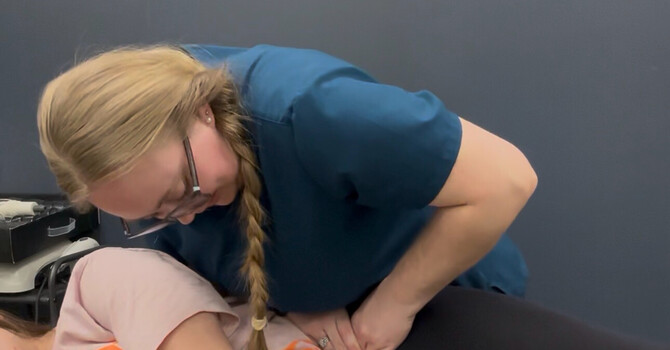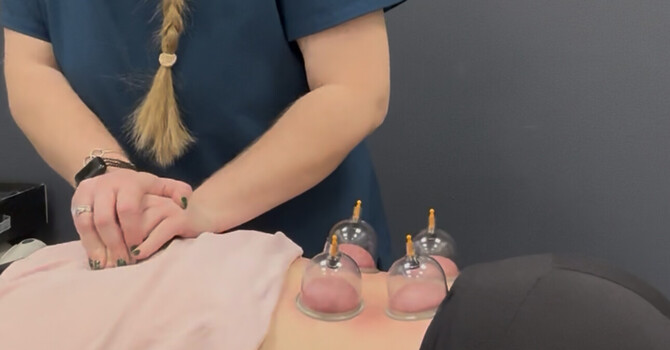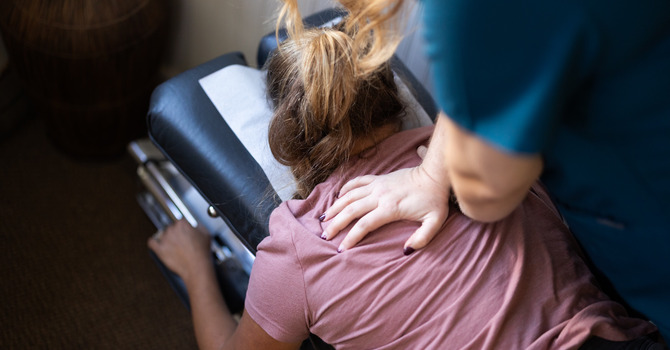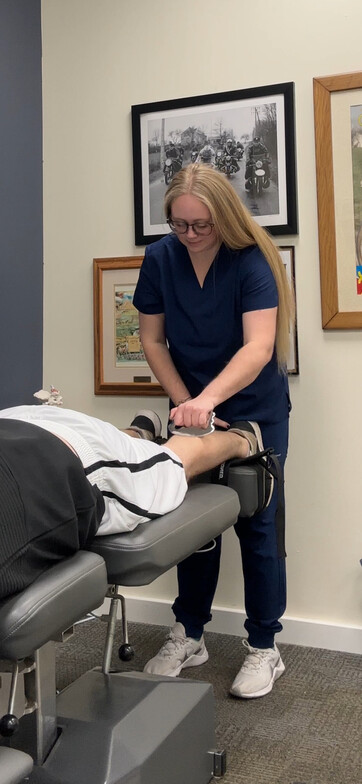
Let's talk about the tool that looks a little intimidating and works a lot better than it looks. If you've ever seen someone post a video of a chiropractor or physical therapist running a smooth metal edge across someone's back or forearm, that's IASTM, short for Instrument-Assisted Soft Tissue Mobilization. Most people just call it muscle scraping, and once you understand what it's actually doing, it stops sounding scary and starts sounding like exactly what your cranky shoulder or forearm has been asking for.
Here's the problem IASTM is built to solve. Every time you overuse a muscle, injure it, or just put it through the same repetitive motion over and over (typing, lifting, swinging a racquet, you name it), your body lays down scar tissue and fascial adhesions as part of the healing process. In small amounts, that's totally normal. The trouble starts when that tissue builds up faster than your body clears it out. It binds muscle fibers together that should be sliding freely past each other, restricts blood flow, and leaves you with that specific kind of tightness that doesn't budge no matter how much you stretch, foam roll, or will it away.
So what does the tool actually do?
IASTM uses a smooth, handheld instrument to apply controlled pressure and friction directly over the restricted tissue. That pressure helps break up scar tissue and fascial adhesions, boosts local blood flow to an area that's often underfed, and essentially tells your body "hey, pay attention here, this still needs to heal correctly." It's a little like working a stuck zipper. You're not forcing it, you're methodically freeing up what's caught so the whole thing can move the way it's supposed to again.
Does it hurt?
Fair question, and an honest answer: it depends on the tissue. Healthy muscle usually feels like firm pressure, maybe a little redness afterward (that's the increased blood flow doing its job, not bruising). Areas with real scar tissue or chronic restriction can feel more intense, sometimes a bit uncomfortable in the moment. I always work within what you can tolerate, and I'll tell you exactly what I'm finding as I go, because you deserve to know what's actually going on under there instead of just being told to relax.
Who actually benefits from this
IASTM is one of my go-to tools for chronic tightness that's stuck around for months, old injuries that "never quite healed right," and fascial restrictions that keep showing up in the same spot no matter how many times you've had it worked on. I use it a lot for forearms in people who type or lift for a living, calves and hamstrings in runners and weekend athletes, and upper back and shoulder tissue in anyone who spends their day hunched over a desk or a steering wheel. If a muscle has felt "stuck" for longer than a few weeks and nothing else has touched it, IASTM is worth asking about.
How it fits into your visit
I rarely use IASTM as a standalone move. It usually gets paired with a full assessment of what's going on in the area, often alongside Active Release Technique (I'm full-body ART certified) and spinal or extremity adjustments if there's a joint restriction feeding into the tightness. Bodies don't live in isolated parts, so I don't treat them that way either. We're looking at the whole picture, not just the one spot that's loudest.
Why this matters if you're in Bound Brook or nearby
Chronic tightness has a sneaky way of becoming your new normal. You stop reaching all the way overhead. You start bracing before you bend down. You tell yourself it's just how your body is now. It doesn't have to be. If you're local to Bound Brook, Somerville, Bridgewater, or anywhere else in Somerset County and you've got a spot that's been stubbornly tight for way longer than it should be, let's take an actual look at it.
Ready to stop working around that tight spot and start working through it? Call or text Anchor Chiro at 908-212-9732, or book online at anchorchironj.com, and let's get that tissue moving the way it's supposed to.

Kate Denker
Contact Me