Let's talk about cupping, because I get asked about it more than almost anything else in my treatment room, usually right after someone notices the little silicone cups lined up on my counter and says, "wait, do people actually still do that?"
Yes. We do. And honestly, once you understand what's happening under those cups, it stops sounding like a spa gimmick and starts making a lot of sense.
So what is cupping actually doing?
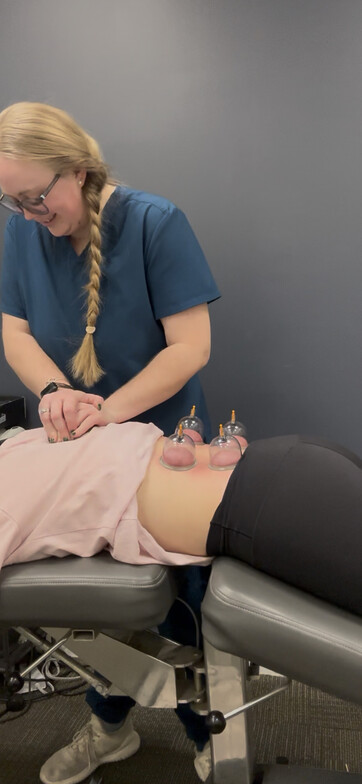
Most hands-on bodywork, like a massage or Active Release Technique, works by pressing down into tissue. Cupping flips that idea on its head. Instead of compression, we use gentle suction to lift the skin, fascia, and underlying muscle tissue away from each other. That lift does a few genuinely useful things: it draws fresh blood flow into an area that's been stuck and stagnant, it helps separate layers of tissue that have gotten glued together from overuse or old injury, and it can take some of the edge off chronically tight, ropey muscle that just will not let go no matter how much you stretch it.
Think of it as the opposite move from everything else we do with our hands. Sometimes tissue needs a push. Sometimes it needs a pull. Cupping is how we give it the pull.
Who actually benefits from this?
Honestly, a wider range of people than you'd think. I see it help:
Desk workers and anyone glued to a laptop, whose upper back and shoulders get so chronically tight that regular pressure-based work barely touches the deepest layers.
Weekend athletes and anyone training for a fall race or rec league season, who want faster recovery between hard efforts without taking a week off to "just rest it."
Patients recovering from an old injury that left behind scar tissue or fascial restrictions, the kind of tightness that feels less like a muscle problem and more like your skin itself is stuck to what's underneath it.
Anyone who's tried stretching, foam rolling, and sheer willpower on a stubborn muscle and gotten, at best, temporary relief.
What a cupping session at Anchor Chiro actually looks like
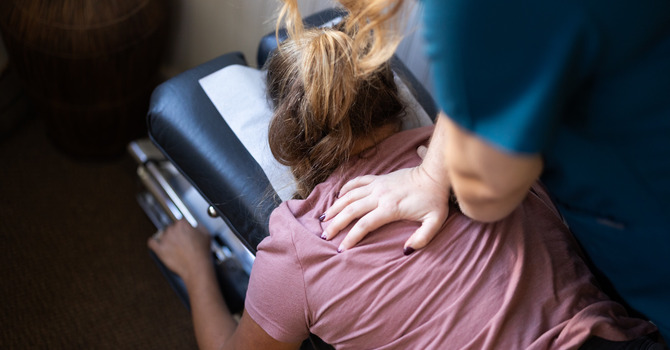
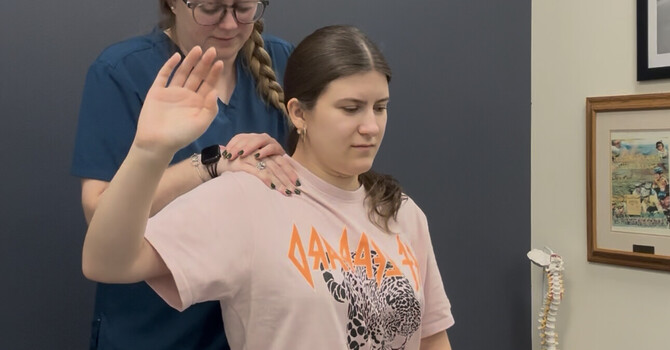
I never treat cupping as a stand-alone magic trick, because your body doesn't work in isolated parts. A cupping session usually gets folded into a broader visit, often alongside Active Release Technique or a full assessment of what's actually driving the tightness in the first place. The cups themselves stay on anywhere from a few minutes to about fifteen, depending on the tissue and what we're trying to accomplish. Most patients describe the sensation as an odd, not-unpleasant pulling, nothing sharp, nothing that should make you wince.
Yes, you might walk away with some round marks. They're not bruises in the injury sense, they're just a sign of increased blood flow to tissue that needed it, and they typically fade within a few days to a week. I'll always tell you upfront if that's likely so nothing catches you off guard before a big event or photo-worthy weekend.
Why this matters if you're local to Somerville
Between the start of the school year, fall sports ramping up, and everyone quietly transitioning back into gym routines after a looser summer schedule, I see a real uptick in stiff upper backs, cranky shoulders, and that specific kind of chronic tightness that just sits there and nags at you. Cupping is one of the more satisfying tools I have for patients who feel "stuck" in their own bodies and are ready to actually move again instead of just managing around the tightness.
If you're in Somerville or anywhere nearby in Somerset County and you've got a spot that's been bugging you for weeks (or months, no judgment), let's take an actual look at it. I'll figure out whether cupping, ART, or a combination of both is the right call for what's going on in your tissue, and build a plan from there.
Ready to stop living around that tight spot? Book an appointment at Anchor Chiro today and let's get it moving again.

Kate Denker
Contact Me