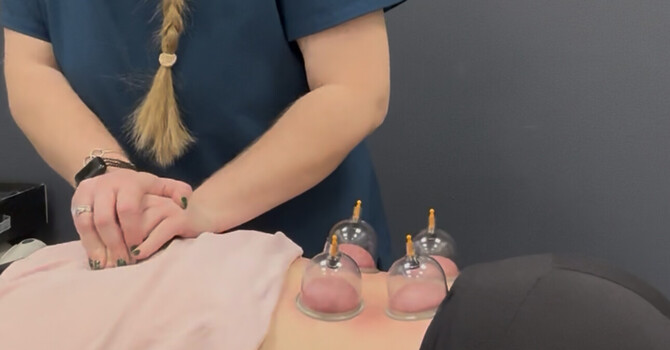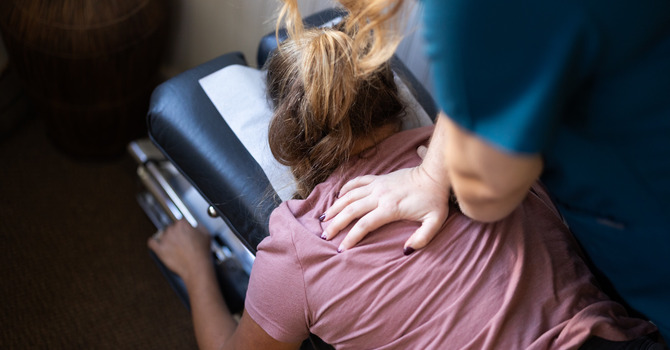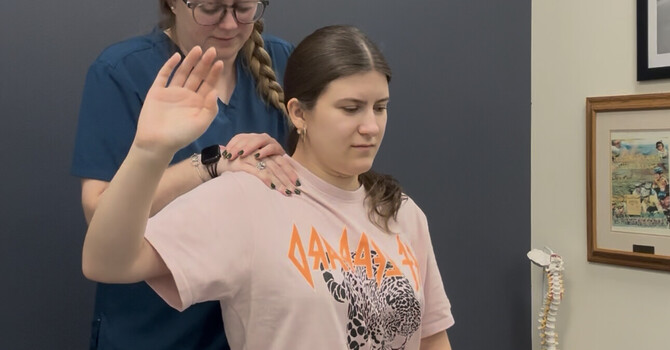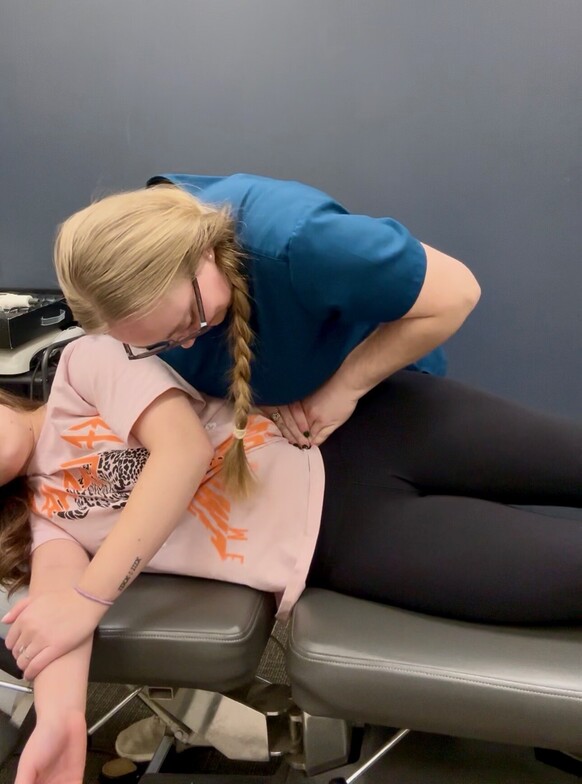
What Is Active Release Technique (ART) and Why Does It Work?
The hands-on treatment athletes and everyday people swear by If you have ever dealt with nagging tightness, recurring pain, or an injury that just will not go away, chances are someone has mentioned Active Release Technique, or ART. But what actually is it? And why does it work when other things have not? Let us break it all down in plain English.
First, What Is ART?
Active Release Technique is a patented, hands-on soft tissue treatment used to locate and break up adhesions in muscles, tendons, ligaments, fascia, and nerves. It was developed by Dr. P. Michael Leahy in the 1980s after he noticed that his patients' symptoms were closely related to changes in their soft tissue. Today it is used by chiropractors, physical therapists, and sports medicine professionals around the world, and it has become a go-to treatment for elite athletes and everyday people alike.
So What Are Adhesions, Exactly?
Great question. When your body experiences injury, overuse, or repetitive stress (think: sitting at a desk all day, training for a race, or recovering from surgery), it responds by building up scar tissue in the affected area. Over time, this scar tissue creates adhesions, meaning muscles and tissues that should be sliding freely against each other start to stick together. The result? Tightness. Pain. Limited range of motion. Nerves that get compressed. And no matter how much you stretch or foam roll, the tightness keeps coming back because stretching does not break down scar tissue. That is exactly where ART comes in.
How Does ART Actually Work?
During an ART session, your provider uses their hands to apply precise tension to the affected tissue while guiding you through a specific movement or range of motion. This combination of tension plus active movement is the secret sauce. That targeted pressure breaks up the adhesions and restores normal tissue movement. Muscles can finally slide and glide the way they are supposed to. Nerves get released from compression. Blood flow improves. And your body can actually heal. Many patients describe feeling something "released" during the treatment, because that is literally what is happening.
What Does the Research Say?
ART has been studied across a growing body of research, and the findings are encouraging. Here is a look at what the science has shown in recent years: 2022 Systematic Review: Pain, Range of Motion, and Disability A 2022 systematic review published in the Journal of Sport Rehabilitation (Barnes and Rivera) examined the effects of ART across multiple studies. Out of the studies reviewed, six found that ART significantly improved pain levels, six found significant improvements in range of motion, and two found meaningful reductions in disability. The review concluded that ART may be a beneficial and viable treatment option for clinicians managing musculoskeletal conditions.
Key Takeaway 6 out of 6 studies showed significant pain improvement. 6 out of 6 showed improved range of motion. ART was identified as a viable treatment option for musculoskeletal conditions.
2024 Study: Hamstring Flexibility and Posture A 2024 critically appraised topic published in the Journal of Sport Rehabilitation (Palermo, Reich, and Rives) looked at ART's effect on hamstring extensibility. The findings were impressive: even a single session of ART produced meaningful improvements in flexibility, including in people who did not have existing hamstring deficits. The authors noted that limited hamstring extensibility affects up to 86% of adults and is a major contributor to back, knee, and hip dysfunction.
Key Takeaway A single ART session improved hamstring flexibility in both people with and without existing tightness. This matters because tight hamstrings are linked to back pain, knee problems, and reduced overall function.
2021 Study: Myofascial Pain and Scapulocostal Syndrome A 2021 randomized controlled trial (Kanhachon et al.) looked at modified ART in patients dealing with scapulocostal syndrome and masticatory myofascial pain, two conditions involving deep, chronic muscle tension around the shoulder blade and jaw area. Patients received three ART sessions per week for four weeks. Results showed decreased pain intensity across both conditions by the end of the treatment period.
Key Takeaway ART showed measurable pain reduction in patients with chronic myofascial conditions after just four weeks of treatment.
Carpal Tunnel Syndrome Research has also supported ART as a conservative management option for carpal tunnel syndrome (CTS). A pilot study highlighted in the Journal of Sport Rehabilitation found that ART applied to the median nerve over just two weeks (three sessions per week) led to significant improvement in patient-reported outcomes. Researchers noted these results support ART as a valid alternative to more invasive interventions for CTS.
Key Takeaway ART on the median nerve over two weeks produced significant functional improvements for carpal tunnel patients, making it a strong conservative option before surgery. It is worth noting that researchers continue to call for more large-scale, long-term studies. As with many manual therapies, more research is always welcome. But the existing evidence points in a consistently positive direction.
What Conditions Can ART Treat?
ART is incredibly versatile. It is commonly used to treat:
• Neck and shoulder tightness
• Low back pain
• Sciatica and nerve pain
• IT band syndrome
• Plantar fasciitis
• Carpal tunnel syndrome
• Tennis elbow and golfer's elbow
• Headaches related to muscle tension
• Post-surgical scar tissue
• General muscle tightness and overuse injuries
Whether you are a weekend warrior, a desk worker, or a competitive athlete, ART can be tailored to what your body specifically needs.
Is ART Painful?
Honest answer? It can feel intense. Most patients describe it as a "hurts so good" sensation, especially in areas with significant adhesions. The discomfort is usually brief and is followed by an immediate sense of relief as the tissue releases. Your provider will always work within your comfort level and adjust pressure as needed. Communication during your session is encouraged.
How Is ART Different From a Regular Massage?
Traditional massage is focused on relaxing muscles and increasing circulation. ART is much more targeted. It is designed to find specific adhesions and break them down using a combination of tension and movement. It is more clinical, more precise, and aimed at fixing a structural problem rather than just providing temporary relief. Think of massage as maintenance and ART as repair.
How Many Sessions Will I Need?
Every body is different, but many patients notice significant improvement within 3 to 6 sessions. Chronic or long-standing conditions may take a bit longer. Your provider will assess your progress and adjust your treatment plan accordingly. The goal is always to get you feeling better and keep you that way.
Ready to Experience ART for Yourself?
If you have been dealing with pain or tightness that keeps coming back, ART may be exactly what your body has been waiting for. Reach out to our team to learn more or schedule your next appointment. You deserve to move without limitations. Let us help you get there.

Kate Denker
Contact Me